

Oncology depends on diagnostic tools like biopsy or removal of bits of the tumour tissue and examining it under the microscope. Other diagnostic tools include endoscopy for the gastrointestinal tract, imaging studies like X-rays, CT scanning, MRI scanning, ultrasound and other radiological techniques, Scintigraphy, Single Photon Emission Computed Tomography, Positron emission tomography and nuclear medicine […]

Cardiology is the study and treatment of disorders of the heart and the blood vessels. A person with heart disease or cardiovascular disease may be referred to a cardiologist. Cardiology is a branch of internal medicine. A cardiologist is not the same as a cardiac surgeon. A cardiac surgeon opens the chest and performs heart […]
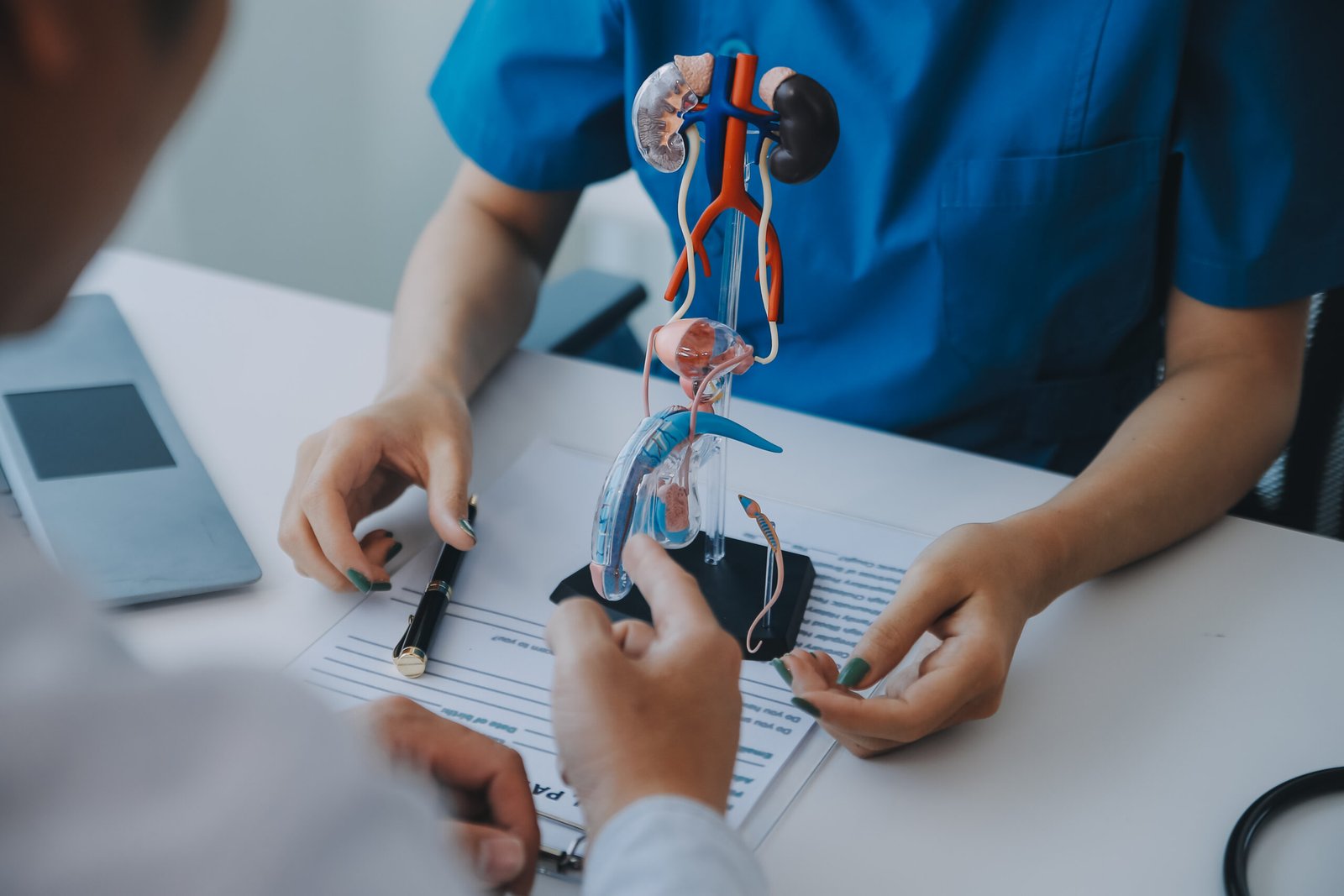
Diagnostic process is the method by which health professionals select one disease over another, identifying one as the most likely cause of a person’s symptoms. Symptoms that appear early in the course of a disease are often more vague and undifferentiated than those that arise as the disease progresses, making this the most difficult time […]

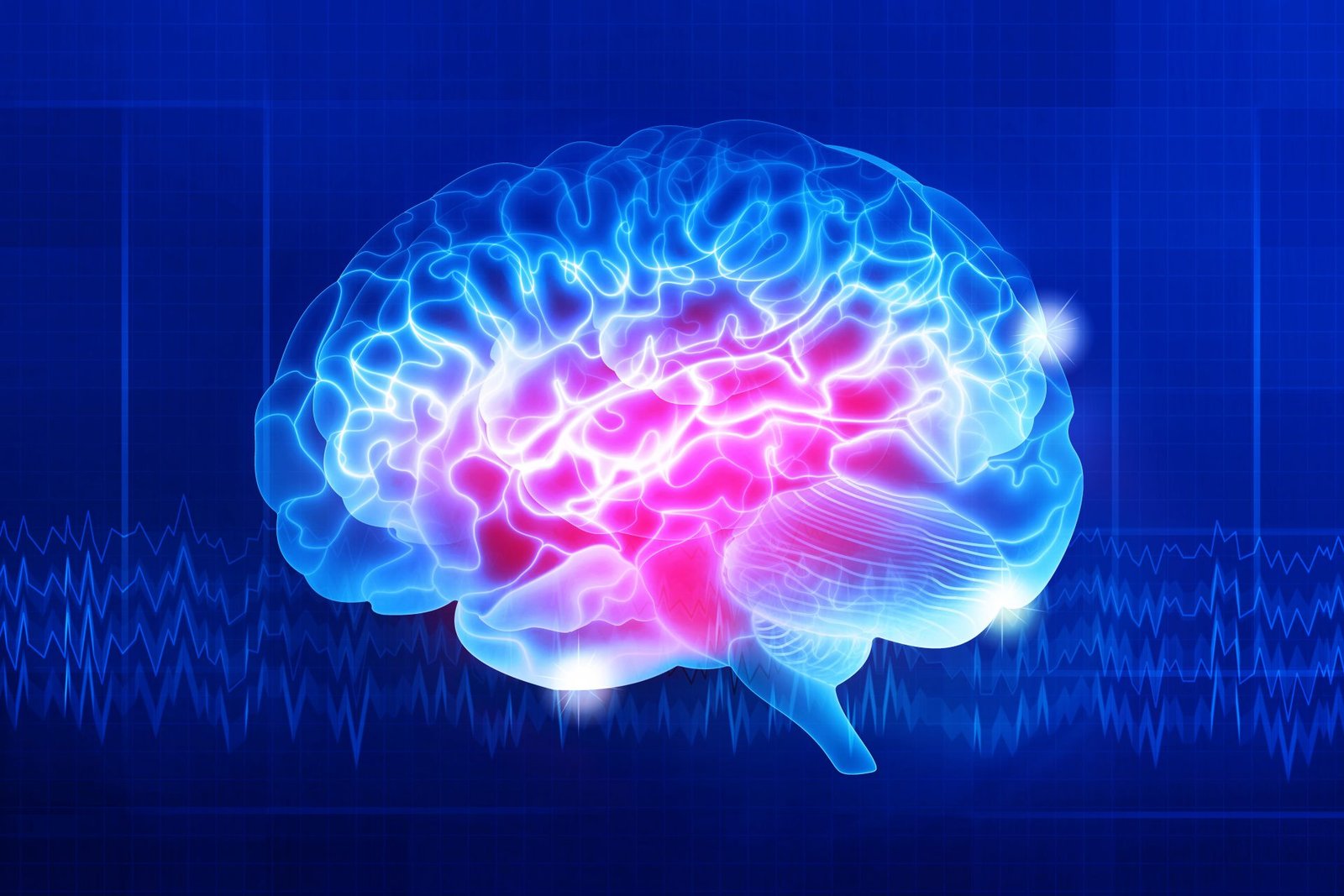
Neurology also involves understanding and interpreting imaging and electrical studies. Examples of the imaging studies used include computed tomography (CT) scans and magnetic resonance imaging (MRI) scans. An electroencephalogram (EEG) can be used to assess the electrical activity of the brain in the diagnosis of conditions such as epilepsy. Neurologists also diagnose infections of the […]